
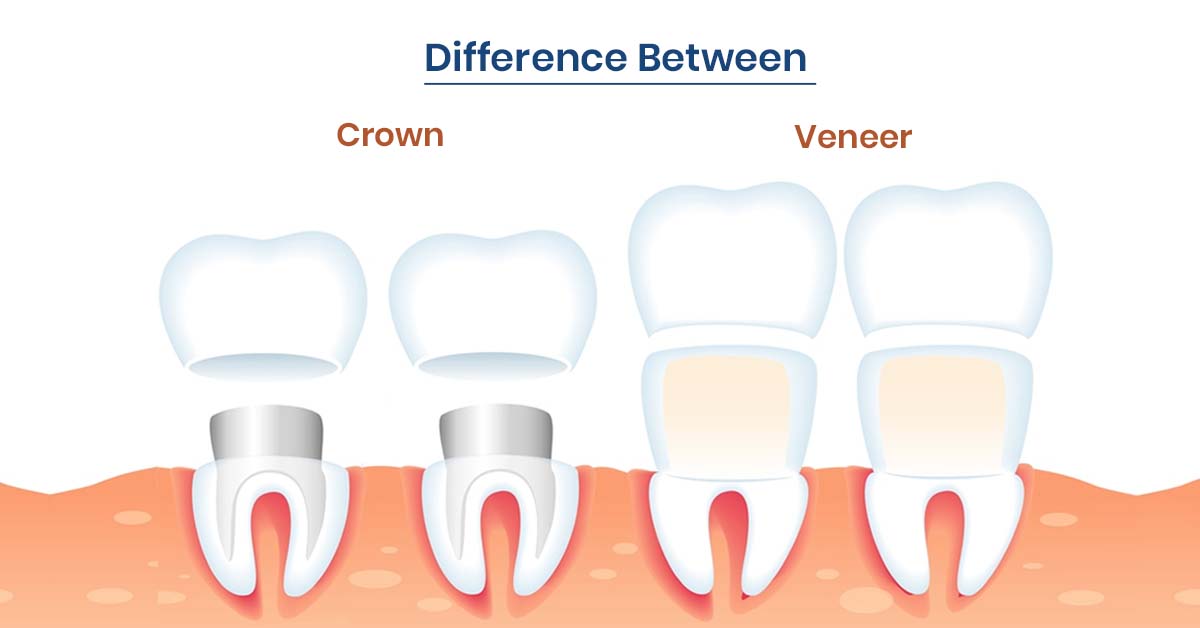
If you are considering cosmetic or restorative dental treatment, you have probably come across the question of Dental Crown vs Veneer. Both treatments can improve the appearance of your smile, but they serve different purposes and are designed for different dental conditions.
Understanding the difference between a crown and a veneer helps you make a more informed decision before starting treatment. While only a dental professional can recommend the best option for your situation, learning how each treatment works is a useful first step. If you are planning your treatment, visiting an experienced dentist in Bali can help you receive a personalized assessment based on your oral health and smile goals.
What Is a Dental Crown?
A dental crown is a custom-made restoration that completely covers the visible portion of a damaged tooth. Unlike other cosmetic treatments that only improve appearance, a crown restores both the strength and function of a weakened tooth.
Dentists often recommend crowns for teeth that have large fillings, significant fractures, severe decay, or have recently undergone root canal treatment. By covering the entire tooth, a crown protects it from further damage while allowing normal biting and chewing.
Crowns can be made from several materials, including porcelain, ceramic, zirconia, and porcelain fused to metal, depending on the location of the tooth and the patient’s individual needs.
What Is a Veneer?
A veneer is a thin shell, usually made from porcelain or composite material, that is bonded to the front surface of a tooth. Unlike a crown, a veneer does not cover the entire tooth.
Veneers are primarily used to improve cosmetic concerns such as discoloration, small chips, uneven tooth shape, minor gaps, or slightly misaligned teeth. Because only a small amount of enamel is typically removed, veneers are considered a more conservative treatment for suitable candidates.
Many patients choose porcelain veneers because they closely resemble natural enamel and are resistant to everyday staining.
Dental Crown vs Veneer: The Main Differences
When comparing Dental Crown vs Veneer, the biggest difference is how much of the tooth each restoration covers.
A crown surrounds the entire visible portion of the tooth, making it the preferred option when the tooth has lost significant structure or requires additional protection. A veneer only covers the front surface, making it better suited for cosmetic improvements when the underlying tooth remains healthy.
The amount of tooth preparation also differs. Crowns usually require more reshaping because space must be created for the restoration to fit securely. Veneers generally preserve more natural tooth structure, although a small amount of enamel is still removed in many cases.
Both treatments can provide natural-looking results when properly planned and maintained.
When Is a Crown the Better Choice?
Understanding Dental Crown vs Veneer becomes easier when you consider the condition of the tooth rather than appearance alone.
A crown is often the better option if a tooth has extensive decay, a large crack, multiple previous fillings, or has become structurally weak after root canal treatment. In these situations, restoring strength is just as important as improving appearance.
Because crowns protect the remaining tooth structure, they help reduce the risk of future fractures and allow patients to continue eating comfortably.
When Is a Veneer the Better Choice?
Veneers are generally recommended when the tooth is healthy but has cosmetic imperfections.
Patients often choose veneers to improve stained teeth that do not respond well to whitening, correct small chips, reshape uneven teeth, or create a more balanced smile. Since veneers require less removal of healthy tooth structure than crowns, they are often preferred when only cosmetic improvement is needed.
However, veneers may not be suitable if the tooth has extensive damage or insufficient healthy enamel for bonding.
Which Option Lasts Longer?
Another common question during the Dental Crown vs Veneer comparison is durability.
Both crowns and porcelain veneers can last for many years with proper care. Their longevity depends on factors such as oral hygiene, biting habits, teeth grinding, and regular dental check-ups.
Brushing twice daily, flossing, avoiding unnecessary chewing on hard objects, and attending routine examinations all help extend the lifespan of either restoration.
Rather than focusing only on how long they last, patients should choose the treatment that best addresses the underlying condition of the tooth.
How Does a Dentist Decide?
Choosing between a crown and a veneer is not simply a cosmetic decision.
A dentist will examine the amount of remaining tooth structure, check for decay or cracks, evaluate your bite, review X-rays if necessary, and discuss your smile expectations before recommending treatment.
The goal is to preserve as much healthy tooth structure as possible while achieving a result that is functional, comfortable, and aesthetically pleasing. A personalized consultation provides far more accurate guidance than trying to decide based only on online comparisons.
Final Thoughts
The discussion around Dental Crown vs Veneer is not about which treatment is better overall, but which one is better for your specific dental condition. Crowns are designed to restore strength and protect damaged teeth, while veneers focus on improving the appearance of healthy teeth with cosmetic imperfections.
If you are considering either treatment, scheduling a consultation at a trusted dentist in Seminyak is the best way to understand your options. At Fidelity Dental Bali, patients receive comprehensive assessments and personalized treatment recommendations based on their oral health, functional needs, and aesthetic goals. Whether you need a durable dental crown or natural-looking porcelain veneers, the team at Fidelity Dental Bali can help you choose the solution that best fits your smile.