
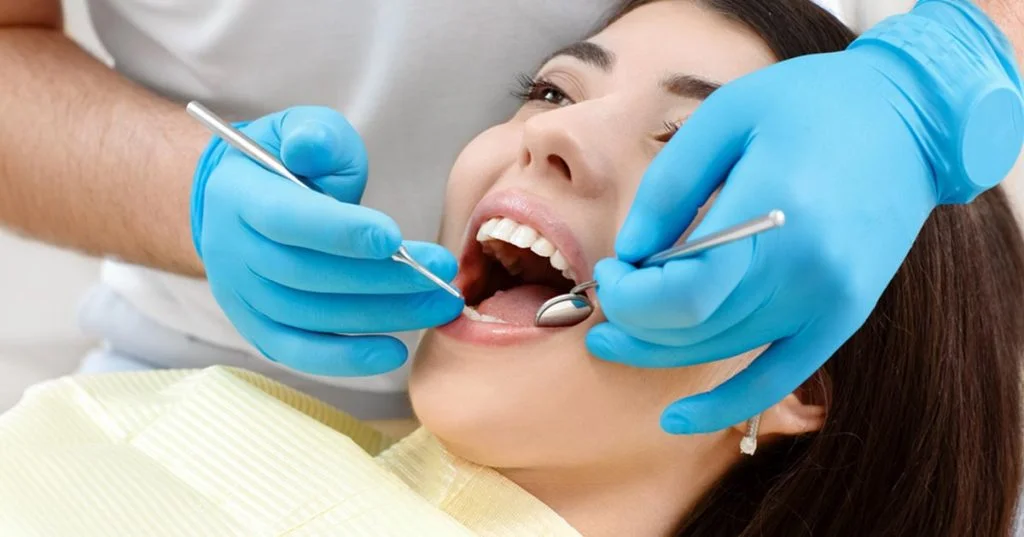
You just had your teeth cleaned, your teeth feel smooth, and your smile looks fresher. Then, after some time, you notice a rough spot around your teeth again. So why does tartar after teeth cleaning keep coming back?
The simple answer is that professional cleaning removes existing tartar, but it does not stop plaque from forming again. Your mouth naturally produces bacteria and saliva, so plaque can start building up on your teeth soon after you finish a cleaning.
Understanding what causes tartar after teeth cleaning can help you keep your teeth cleaner for longer and reduce the amount of buildup between dental visits.
What Is Tartar?
Tartar, also called dental calculus, develops when plaque hardens on the teeth. Plaque is a sticky layer containing bacteria that constantly forms on your teeth, especially after eating and drinking.
When you do not remove enough plaque through daily brushing and flossing, it can combine with minerals in your saliva and harden. Once plaque turns into tartar, a regular toothbrush cannot remove it effectively.
This explains why you may notice tartar after teeth cleaning even when you brush every day. New plaque can form after your appointment and gradually harden again.
Why Does Tartar Come Back So Quickly?
Several factors can contribute to tartar after teeth cleaning. Your daily oral hygiene routine plays a major role, but it is not the only factor.
Plaque Builds Up Every Day
Your mouth constantly produces plaque. Even if you have just completed a professional cleaning, new plaque can begin forming on your teeth within hours.
Brushing twice a day helps control plaque, but brushing alone may not reach every area. Plaque can remain between teeth and around the gumline, where it can eventually contribute to tartar formation.
You May Miss Certain Areas
Some parts of your mouth are harder to clean. The areas behind your lower front teeth and around the gumline often collect more buildup.
If your toothbrush does not reach these areas properly, plaque can remain there. Over time, this can lead to tartar after teeth cleaning.
Your Saliva Can Affect Tartar Formation
Saliva contains minerals that help protect your teeth, but those same minerals can contribute to plaque hardening.
Some people naturally develop tartar more quickly because of their saliva composition and where saliva enters the mouth. This means two people with similar brushing habits may not develop the same amount of tartar.
Brushing Technique Matters
Brushing twice a day is important, but technique also matters. If you brush too quickly or focus only on the visible front surfaces, you may leave plaque behind.
Use gentle movements and spend enough time cleaning all tooth surfaces. Pay particular attention to the gumline, where plaque often collects.
Does Teeth Cleaning Prevent Tartar From Coming Back?
Professional teeth cleaning removes existing tartar and plaque that daily brushing cannot fully eliminate. However, it does not permanently prevent new buildup.
This is why tartar after teeth cleaning does not necessarily mean that your previous cleaning failed. Your teeth continue to encounter food particles, bacteria, and saliva every day.
Think of professional cleaning as resetting your oral hygiene rather than creating a permanent barrier against tartar.
How Can You Reduce Tartar Buildup?
You can reduce the chances of tartar after teeth cleaning by maintaining consistent oral hygiene at home.
Brush your teeth twice a day with fluoride toothpaste and clean between your teeth every day. Dental floss, interdental brushes, or other cleaning tools can help remove plaque from areas that your toothbrush cannot reach.
You should also pay attention to your eating and drinking habits. Frequent sugary foods and drinks can increase the conditions that allow harmful bacteria to thrive.
Most importantly, follow the cleaning schedule recommended by your dentist. If you develop tartar quickly, you may need professional cleaning more frequently than someone who develops less buildup.
When Should You Get Another Teeth Cleaning?
There is no single schedule that works for everyone. Your dentist can recommend a cleaning interval based on your oral health, gum condition, plaque buildup, and risk factors.
If you consistently notice tartar after teeth cleaning, mention it during your next appointment. Your dentist can check where the buildup occurs and identify areas that may need more attention during your daily routine.
Do not try to scrape tartar off yourself with sharp objects. You could damage your enamel or gums and create another dental problem.
Get Professional Dental Care at Fidelity Dental Bali
If you keep noticing tartar after teeth cleaning, a professional evaluation can help you understand why the buildup returns and how to manage it.
Fidelity Dental Bali provides professional teeth cleaning and comprehensive dental care to help patients maintain healthier teeth and gums. The dental team can assess your oral condition, remove existing buildup, and provide practical recommendations for your home care routine.
Regular professional cleaning combined with consistent daily care can make it easier to control plaque and reduce tartar buildup over time.
If you are looking for a dentist in Kuta, contact Fidelity Dental Bali to schedule a consultation and discuss your teeth cleaning needs.